loan range
$100K–$5M
Available minimums may depend on property type and program.

Rental property financing
Purchase or refinance an investment rental using qualifying rent or underwritten property cash flow, depending on the property type and program.
No personal income or tax-return verification under eligible program structures.
Program terms
loan range
Available minimums may depend on property type and program.
Term options
Fixed, hybrid ARM, and interest-only structures may be available.
Purchase leverage
Final leverage depends on DSCR, credit, property, market, and reserves.
Refinance leverage
Rate-and-term and cash-out limits can differ by scenario.
DSCR requirement
Select programs consider ratios below 1.00, where qualifying rent is less than the housing payment. The borrower must cover the shortfall; leverage and reserve requirements vary.
Credit score
Lower-score structures may require materially lower leverage or another program.
Maximum leverage and minimum DSCR are not necessarily available together. Terms depend on the property, borrower and selected program, subject to underwriting approval.
Understand the rental math
DSCR is not calculated the same way across every rental program. Confirm whether the request is being underwritten as a one-to-four-unit residential investment property or as a multifamily property with five or more units before comparing ratios or estimating proceeds.
Residential · 1–4 units
Residential investment programs commonly divide program-defined monthly rent by principal, interest, taxes, insurance and association dues. Lease, appraisal and vacancy rules determine the qualifying rent.
Learn the 1–4 unit methodMultifamily · generally 5+ units
Multifamily underwriting generally derives net cash flow after vacancy, operating expenses and required reserves, then compares it with annualized debt service. The numerator is not gross monthly rent.
Compare the two frameworksA residential rent-to-PITIA ratio and a multifamily net-cash-flow ratio are not directly comparable. Each program also sets its own qualifying-income rules, thresholds, leverage and documentation.
Evaluate qualifying rent and the proposed payment before committing equity to an investment property.
Move a completed renovation into longer-term financing, subject to rental qualification and seasoning requirements.
Use an eligible cash-out refinance to release equity while accounting for the new payment and closing costs.
Capital at work
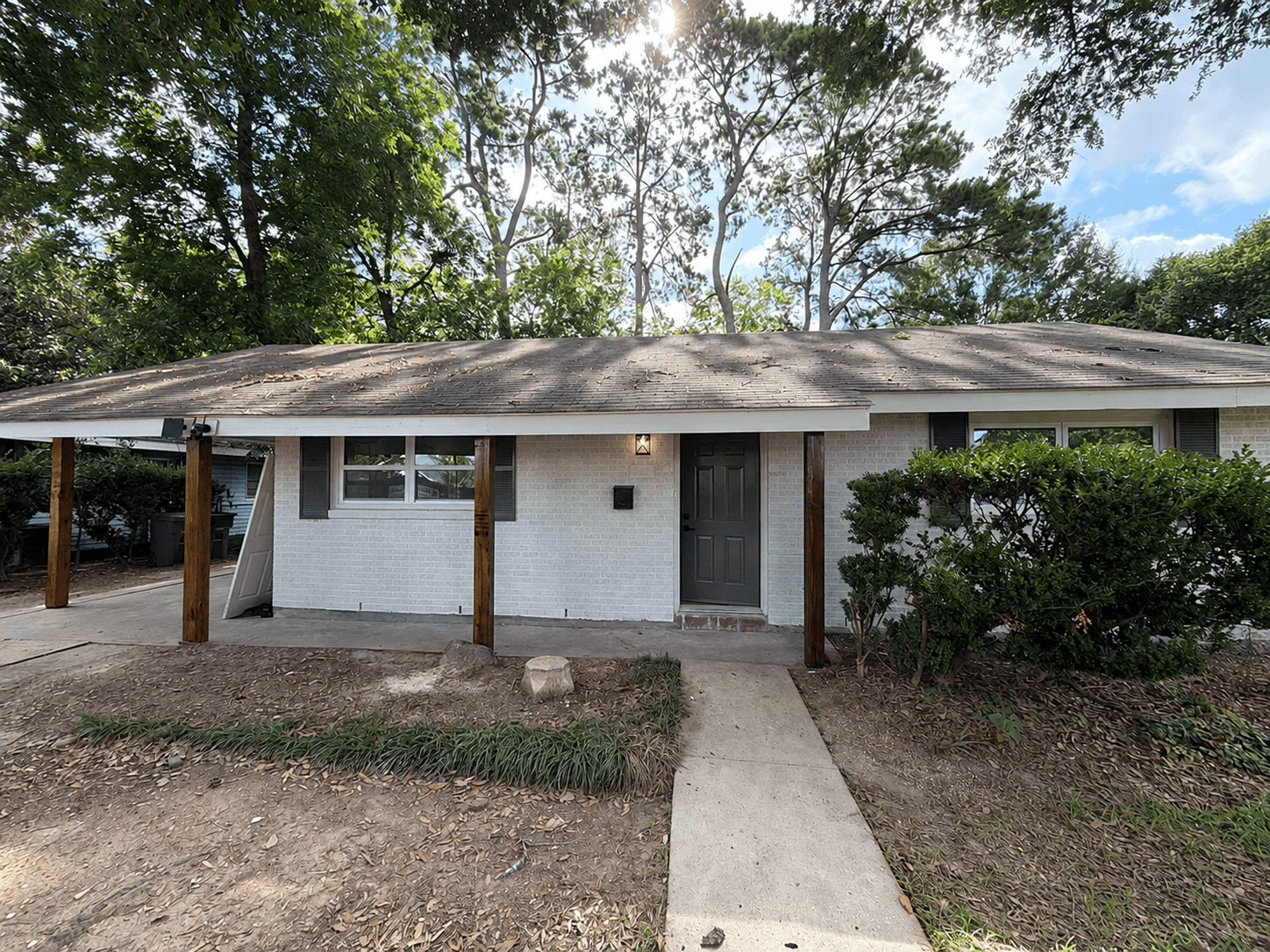 Funded · DSCR
Baton Rouge, Louisiana
Faundare Capital arranged a DSCR cash-out refinance after renovation, allowing the investor to retain the rental and access equity.
View transaction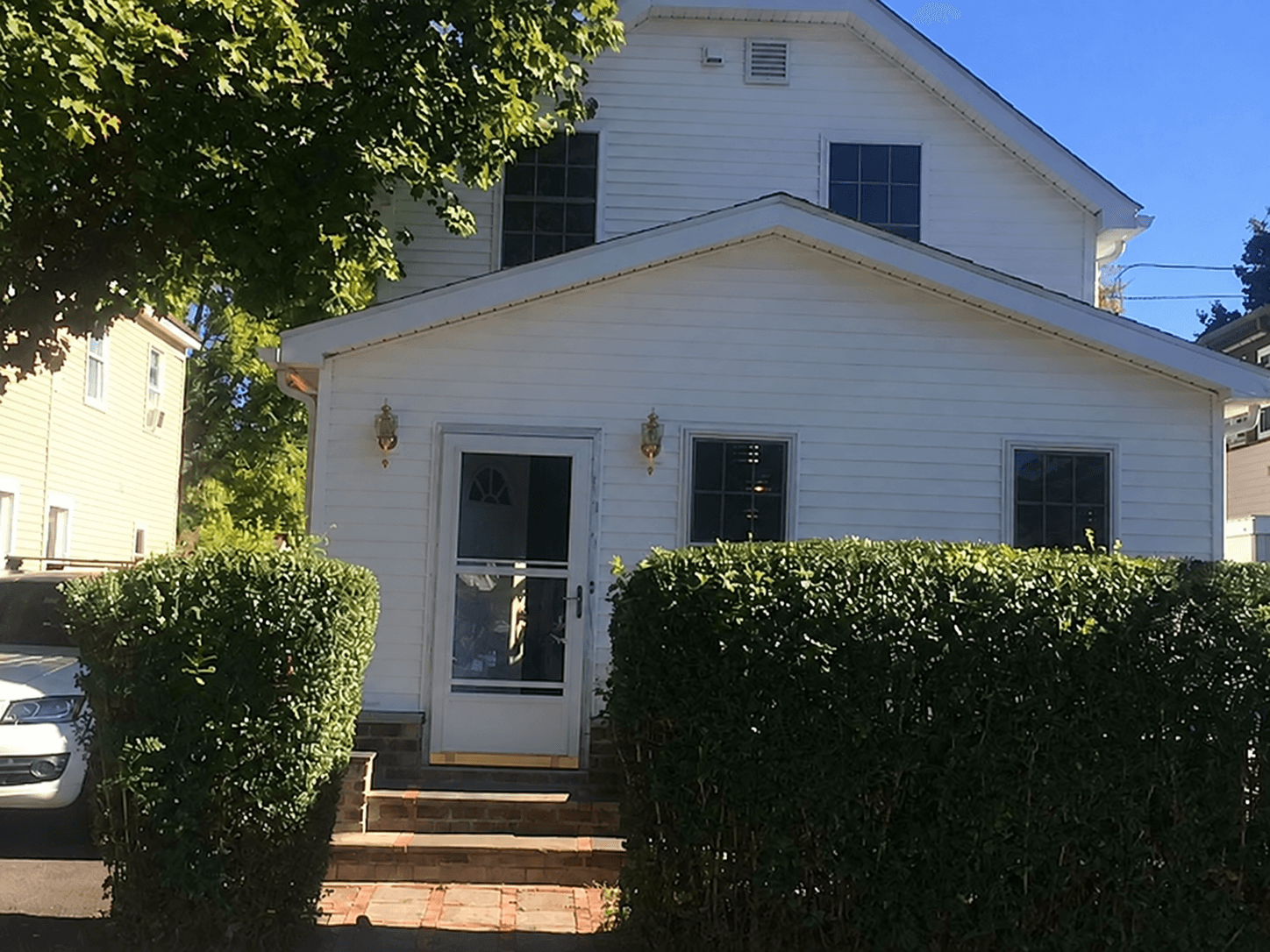 Funded · DSCR
Beacon, New York
Faundare Capital arranged a second-lien DSCR loan that accessed rental-property equity while preserving the existing first mortgage.
View transaction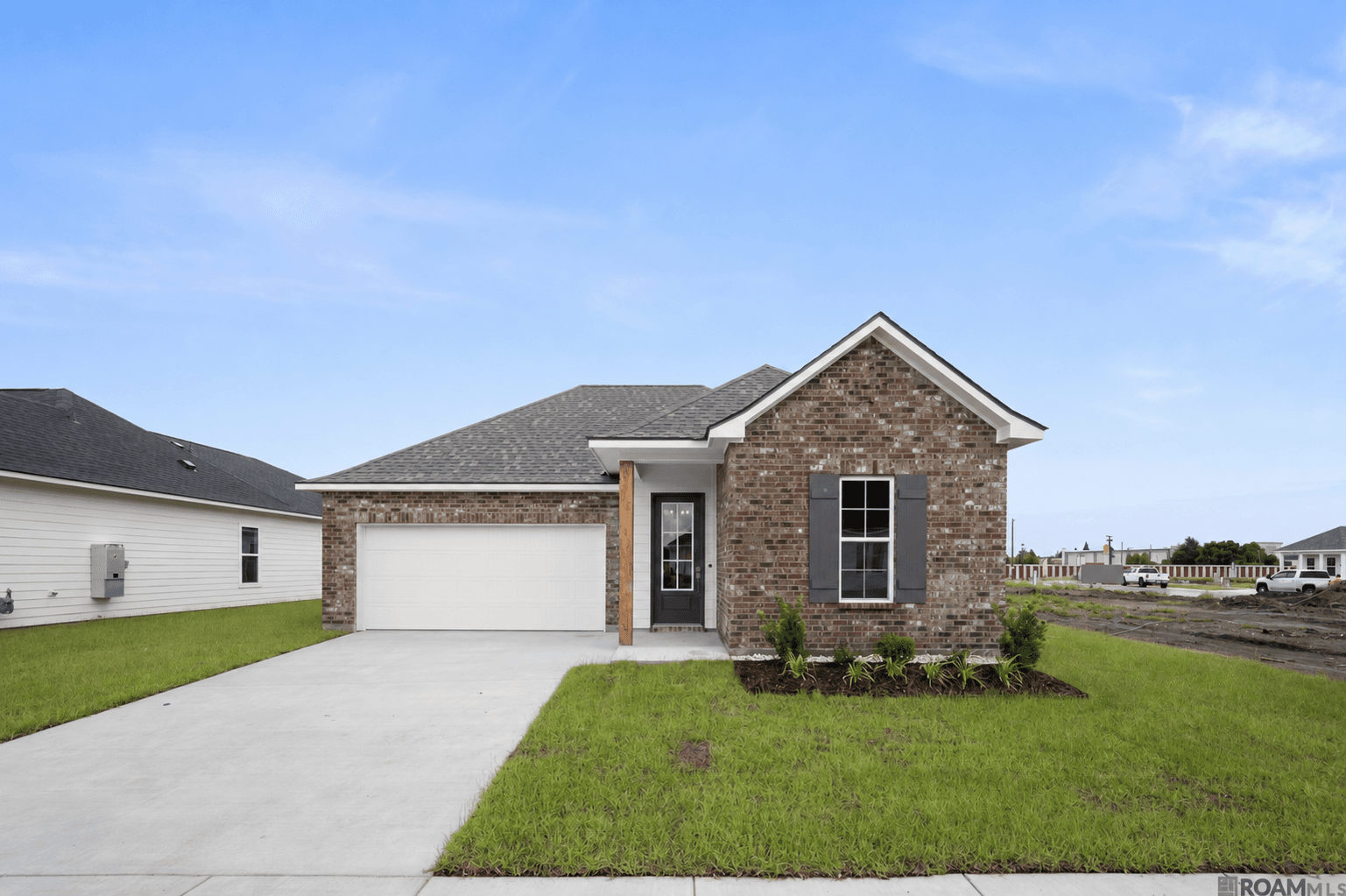 Funded · DSCR
Baton Rouge, Louisiana
Faundare Capital arranged a DSCR purchase loan for a first-time investor acquiring a single-family rental.
View transactionThese are historical transactions. Their terms and outcomes do not establish eligibility or pricing for a new request.
Prepare your request
Share the information available now. We will confirm the documents needed for your transaction.
The calculation depends on property type. One-to-four-unit residential investment programs commonly compare qualifying monthly rent with PITIA. Multifamily programs generally compare underwritten net cash flow after operating expenses and required reserves with annual debt service. Program definitions and thresholds vary.
Eligible DSCR program structures do not require personal income or tax-return verification. Credit, liquidity, entity and property documentation are still reviewed.
Select programs may consider qualifying short-term rentals using program-specific income and market-rent analysis.
A completed renovation may be refinanced into a rental loan when the property, qualifying rent, value and borrower meet program requirements. Ownership seasoning and cash-out rules can affect proceeds. The refinance requires separate approval from the renovation loan.
Not necessarily. A residential DSCR calculation may compare rent only with principal, interest, taxes, insurance and association dues. Vacancy, management, maintenance and capital expenditures can reduce actual cash flow.
Entity ownership can be considered. Entity documents, guarantor information, credit and liquidity are still reviewed; an LLC does not remove those requirements.
Compare net proceeds after the existing loan payoff and closing costs with the new payment, any prepayment charge and required reserves. Available cash-out depends on value, leverage, seasoning and underwriting.
Prepayment provisions depend on the selected structure. Review the duration, calculation and available alternatives before choosing a loan, particularly if you expect to sell or refinance early.
Related financing guides
 How Much Cash Do You Need to Buy a 1–4 Unit Rental Property?Calculate purchase equity, closing costs, prepaid items, renovation timing and post-closing liquidity for a one-to-four-unit rental-property acquisition.Read the guide
 How to Analyze a DSCR Rental Property Before You BuySeparate the lender's coverage test from property cash flow, verify rent and expenses, and stress the purchase before committing.Read the guide
 How a DSCR Cash-Out Refinance WorksCalculate a one-to-four-unit DSCR cash-out refinance from accepted value, seasoning, qualifying rent, the new payment, payoff and closing deductions.Read the guide
Your next rental investment
Share a purchase or refinance scenario to discuss the available financing.