
A lot loan and a construction loan finance different stages of the same project. The lot loan supports an eligible parcel while design, approvals and the building plan are still being completed. The construction loan funds an approved project after the site, plans, permits, budget, contractor, equity and exit satisfy a separate underwriting review.
Owning the lot does not guarantee that the construction facility will close. The second lender may recognize a different land basis, exclude preconstruction spending, require additional equity or decline a project whose approvals, budget or completed value have changed. The transition therefore needs its own capital plan rather than a general assumption that the construction loan will “take out” the lot loan.
This article explains a two-closing transition for a single investment lot. It does not address subdivision-development financing or a consumer construction loan for an owner-occupied home. The numbers are hypothetical teaching inputs; actual proceeds, eligible costs, equity credit and closing conditions come from the approved documents.
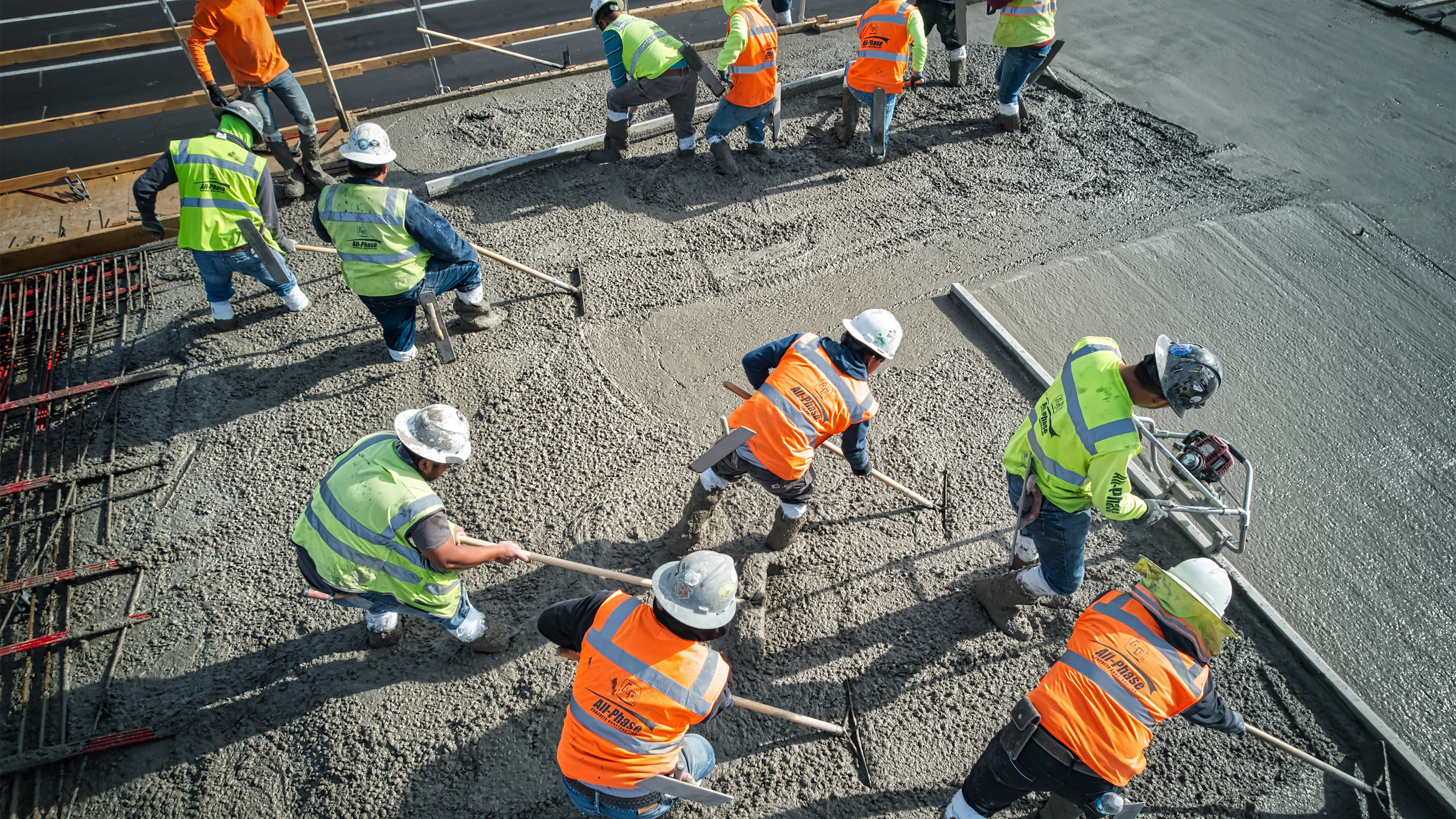
First decide whether the project needs one closing or two
A project that is already shovel-ready may be able to combine the lot acquisition and vertical construction in one facility. A separate lot loan is more likely when the investor must control the parcel before the construction package is complete.
| Structure | When it may fit | Principal coordination issue |
|---|---|---|
| One construction closing | Plans, permits, contractor, budget, value and equity are ready when the lot is acquired | Preserve the purchase closing while satisfying every construction condition |
| Lot loan followed by construction loan | The parcel must be acquired while design, permits or contractor pricing are still being completed | Carry the lot and close the construction facility before lot-loan maturity |
| Cash lot purchase followed by construction loan | The investor can acquire without debt and wants to avoid a short-term payoff | Confirm how the later lender will recognize land basis and invested equity |
Two closings provide time; they also create refinancing risk, duplicate transaction costs and a period in which the lot produces no operating income. The second loan should be treated as a new approval, even when the same financing team is expected to arrange both stages.
Faundare Capital's current Lot Loans program concerns select residential, commercial and mixed-use investment lots with a documented intended use and construction, sale or refinance path. Its current Ground-Up Construction orientation concerns shovel-ready residential 1–4-unit and 5–8-unit multifamily investment projects. A commercial or mixed-use lot that fits the lot-loan program does not automatically fit that construction program; its vertical financing requires a separate review. The programs overlap at the transition, but their collateral, leverage and readiness tests are different.23
Define the construction closing before buying the lot
The lot-loan exit should be described as a dated set of conditions rather than “refinance into construction.” Before the lot purchase, write down what the proposed construction lender is expected to require:
- final or substantially complete plans and specifications;
- issued permits or a documented approval path acceptable to the lender;
- evidence of zoning, legal access, utilities and site readiness;
- a signed construction contract and reconciled line-item budget;
- contractor qualifications, insurance and required licenses;
- an appraisal or other approved evidence of completed value;
- borrower experience, credit, liquidity and required equity;
- a realistic construction schedule, contingency and interest plan; and
- a sale or permanent-refinance exit that fits the proposed maturity.
Faundare's published construction orientation uses a regular lot advance of up to 70% of the accepted basis, with a 75% maximum for qualifying scenarios. It also includes up to 100% of approved construction costs and up to 90% of total project cost.3 Those limits use different denominators and do not stack automatically. The lowest applicable constraint controls the commitment, and the amount available at closing can be far below the total commitment.
Build the transition schedule backward from lot-loan maturity
Start with the contractual maturity date and reserve time for the events that must occur before the construction loan can fund. A twelve-month lot-loan term does not provide twelve months for design if the construction closing itself needs appraisal, title, insurance, document preparation and condition clearance.
Assume the lot loan closes on January 15 and matures the following January 15. A working schedule might be:
| Milestone | Target date | Decision consequence |
|---|---|---|
| Survey, site and utility review complete | March 15 | Confirm that the proposed improvement still fits the parcel and budget |
| Plans and preliminary contractor pricing complete | May 15 | Test completed value, scope and total project cost before full permit spending |
| Permit set submitted | June 1 | Establish the jurisdiction's review path and unresolved conditions |
| Construction application submitted | August 1 | Begin underwriting before every permit is physically in hand when the program allows it |
| Appraisal, title commitment and budget review complete | October 15 | Resolve value, lien, cost and equity differences while time remains |
| Construction loan closes | November 15 | Repay the lot loan and place the approved construction facility into effect |
| Lot-loan maturity | January 15 | Sixty-day buffer remains for curable delays |
The dates are planning assumptions, not standard processing times. A variance in design, permitting, appraisal or title should change the forecast immediately. Relying on an extension converts the buffer into a lender-dependent option and can add fees, interest or principal-reduction requirements.
Reconcile the land basis, payoff and equity credit
Three land figures may differ at the construction closing:
- cash invested in the lot: purchase equity, closing costs, interest, taxes and diligence already paid;
- accepted land basis: the amount the construction lender recognizes in project cost; and
- current land value: the appraiser's opinion under the required valuation premise.
The construction lender may limit the lot component by documented purchase price, supported value, seasoning, existing liens and the complete project's leverage. A higher current appraisal does not automatically reimburse prior equity. Costs such as loan fees, interest, taxes, early design work or an abandoned plan may be real cash expenditures without becoming eligible construction-loan basis.
Assume the investor buys a lot for $250,000. The supported value at the lot closing is $220,000, and an illustrative lot loan is limited to 50% loan-to-value:
Lot-loan principal = $220,000 × 50% = $110,000
The investor contributes $140,000 toward the purchase price, plus lot-loan closing costs and all preconstruction spending. Six months later, the construction lender accepts a $250,000 land basis and applies the regular 70% lot advance:
Construction lot advance = $250,000 × 70% = $175,000
The $65,000 difference between the construction lot advance and original lot-loan principal is not automatically cash returned to the investor. It first must satisfy the exact payoff and the construction closing statement.
Calculate the cash movement at the construction closing
Assume the original lot loan has a $112,000 payoff including accrued interest, and the construction closing includes the following uses:
| Construction-closing use | Amount |
|---|---|
| Lot-loan payoff | $112,000 |
| Construction-loan closing, title and third-party costs | $18,000 |
| Required tax and insurance funding | $5,000 |
| Approved preconstruction invoices payable at closing | $10,000 |
| Total closing uses before new project equity | $145,000 |
The $175,000 lot advance exceeds those uses by $30,000. Whether any amount can be distributed, credited toward required equity or retained by the lender depends on the approved sources and uses. The borrower should not promise that cash to another use before receiving a closing statement.
Now assume the complete construction model is:
| Project use | Gross cost | Included in illustrative commitment |
|---|---|---|
| Accepted lot basis | $250,000 | $175,000 lot advance |
| Eligible hard construction | $500,000 | $500,000 holdback |
| Soft costs | $50,000 | $20,000 holdback |
| Construction contingency | $50,000 | $30,000 holdback |
| Interest and other carry | $50,000 | $40,000 interest reserve |
| Financing, closing, title and prepaid items | $23,000 | $0; paid at closing |
| Total | $923,000 | $765,000 commitment |
The $10,000 of approved preconstruction invoices is part of the $50,000 soft-cost line. The $18,000 of construction-loan closing costs and $5,000 of tax and insurance funding appear in the separate $23,000 line. This keeps the project model consistent with the closing statement without counting an item twice.
The resulting loan-to-cost is 82.9%. The modeled permanent project difference is $158,000: $75,000 of land equity, $30,000 of excluded soft costs, $20,000 of contingency, $10,000 of carry and $23,000 of financing, closing, title and prepaid items. Some of that equity contribution has already been invested; some must remain available after closing. The sources-and-uses statement must show which prior expenditures receive credit, which costs are still unpaid and how much new cash is required.
Separate prior cash from future construction liquidity
The investor's preconstruction ledger should classify every payment:
- Acquisition basis: purchase price and accepted transaction costs.
- Eligible project cost: design, permits, site work or other items the construction lender approves.
- Ineligible or noncreditable spending: financing costs, carrying expenses, unsupported work or costs outside the approved scope.
- Refundable deposits: cash that may return or be applied later.
- Remaining liquidity: unrestricted funds available for closing, contractor payments and delays.
Receipts alone do not establish eligibility. The work must also match the approved plans, budget and timing. Beginning excavation, demolition or foundation work before the construction loan closes can create mechanics-lien, inspection, insurance, title or cost-eligibility problems. The lender may require evidence of payment, lien releases, permits and an inspection of work already completed, or may exclude the work entirely.
After closing, the renovation or construction holdback is still controlled. Contractors may need deposits and progress payments before a construction draw is approved. Preserve enough unrestricted cash to cover the peak gap between paying eligible costs and receiving reimbursements, as well as every permanently excluded project use.
Protect the transition from title and project changes
The second closing can fail even when the physical plan is sound. Monitor changes that affect collateral or the approved project:
- new liens, unpaid taxes or judgments affecting title;
- easements, plat revisions or access changes;
- zoning, permit or design conditions that reduce the buildable program;
- utility or drainage requirements that increase site cost;
- contractor replacement, material scope changes or expired pricing;
- a lower completed-value appraisal;
- lot-loan defaults, extension negotiations or maturity pressure; and
- a reduction in borrower liquidity after the lot purchase.
The OCC and FDIC describe acquisition, development and construction credit as dependent on future improvements and repayment events, with controlled advances and ongoing attention to remaining funds and completion risk.45 Those supervisory materials govern regulated institutions rather than every private loan. They identify the same transition problem: the collateral and capital plan must still support completion after each material change.
Decide whether the project is ready to cross into construction
Before authorizing the construction closing, reconcile six tests:
- Payoff: The construction closing can repay the lot loan, liens, taxes and required closing charges before maturity.
- Readiness: Plans, permits, contractor, insurance, budget and schedule satisfy the approved conditions.
- Value and leverage: Land basis, completed value, LTC and any value constraint support the final commitment.
- Equity: Prior cash receives only documented credit, and the borrower can fund every remaining required contribution.
- Liquidity: Unrestricted cash can bridge construction draws and absorb costs outside the commitment.
- Exit: Sale or permanent-refinance proceeds can repay the construction loan within a schedule that includes completion and closing time.
If the construction proceeds cannot repay the lot debt and preserve sufficient completion capital, the transition is not solved by a larger headline commitment. The project needs a lower payoff, more equity, a revised scope, a different schedule or another approved structure before the lot loan reaches maturity.
References
1. Acton Crawford. *Workers in a construction site*. Unsplash, under the Unsplash License. Aurora, Colorado. Published April 29, 2022; accessed October 12, 2026. Cropped by Faundare Capital for editorial presentation.
2. Faundare Capital. Lot Loans. Accessed October 12, 2026. Current program orientation for select investment lots; final eligibility, value, leverage, proceeds and terms remain subject to underwriting and approval.
3. Faundare Capital. Ground-Up Construction Loans. Accessed October 12, 2026. Current program orientation; construction readiness, eligible costs, leverage, draws, proceeds and terms remain subject to underwriting and approval.
4. Office of the Comptroller of the Currency. *Commercial Real Estate Lending*, Comptroller's Handbook, version 2.0. March 2022. Acquisition, development and construction underwriting and disbursement controls.
5. Federal Deposit Insurance Corporation. *Construction and Land Development Lending*. October 2025 examination module. Construction progress, draw controls, remaining-funds analysis and completion risk.